
Description
Unlock the Potential of Cellular Longevity
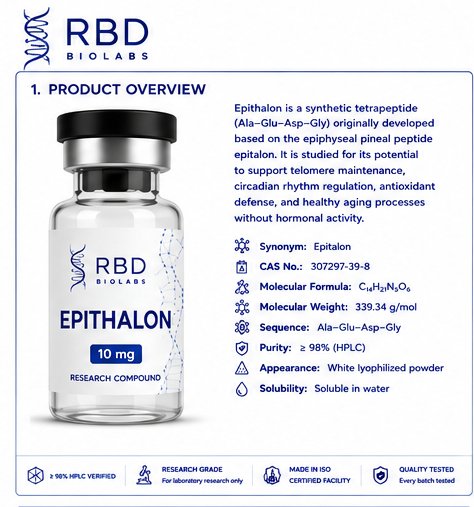
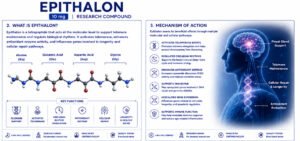
Epithalon (also known as Epitalon) is a synthetic tetrapeptide designed as an analogue of the naturally occurring epithalamin, a peptide produced by the pineal gland. With increasing scientific interest, Epithalon has been researched for its possible impact on promoting healthy aging, telomere biology, antioxidant defense, and circadian regulation. Discover the potential of this innovative compound as it offers exciting possibilities in the study of cellular function and resilience.
How Epithalon May Support Cellular Function
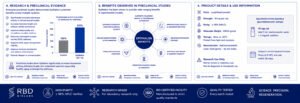
Preclinical investigations suggest Epithalon may influence telomerase activity—the enzyme responsible for maintaining telomere length, which is vital for preserving chromosomal stability. In laboratory settings, it has also been observed to support endogenous antioxidant systems, which might help mitigate oxidative stress, a major contributor to the aging process. These potential benefits mark Epithalon as a fascinating subject of ongoing research in longevity pathways and cellular biology.
Applications in Circadian and Genomic Stability
Epithalon has been linked to the regulation of circadian rhythms and melatonin production—a core function of the pineal gland, essential for sleep and hormonal balance. Furthermore, studies have examined its potential influence on genomic stability, exploring its role in supporting DNA integrity and protecting cells from age-related molecular damage. While many findings show promise, long-term human clinical trials are still needed to confirm Epithalon’s safety and efficacy.
Reviews
There are no reviews yet.